While Nepal’s famous trekking regions like Everest and Annapurna attract thousands of trekkers each year, the country is also home to some of the most isolated, pristine, and culturally untouched landscapes on earth. For travelers seeking solitude, wilderness, and authentic Himalayan adventure, Remote Area Trekking in Nepal offers unparalleled experiences far away from the crowds.
Remote area treks typically lead through rugged trails, sparsely populated villages, deep valleys, and high mountain passes where tourism infrastructure is minimal or non-existent. These trails demand a spirit of adventure and are ideal for trekkers who want to experience Nepal in its rawest form. Many routes still require camping, and you may trek for days without encountering another group of travelers—making the journey exceptionally peaceful and immersive.
Some of Nepal’s most iconic remote trekking destinations include:
Remote area trekking showcases raw Himalayan beauty, traditional lifestyles, rare wildlife, and unparalleled cultural richness. These adventures take you through remote valleys, Tibetan-influenced villages, ancient monasteries, alpine meadows, high passes, and some of the most dramatic Himalayan scenery in Nepal.
Why Choose Remote Area Trekking?
Adventure Friendship offers customized guided treks to all remote regions of Nepal, ensuring safety, proper permits, logistics, and expert support throughout the journey.
 A adventurous and remote trekking
The Dhaulagiri Circuit Trek is one of Nepal’s most adventurous and remote trekking experiences. Encircling...
 Best Seller
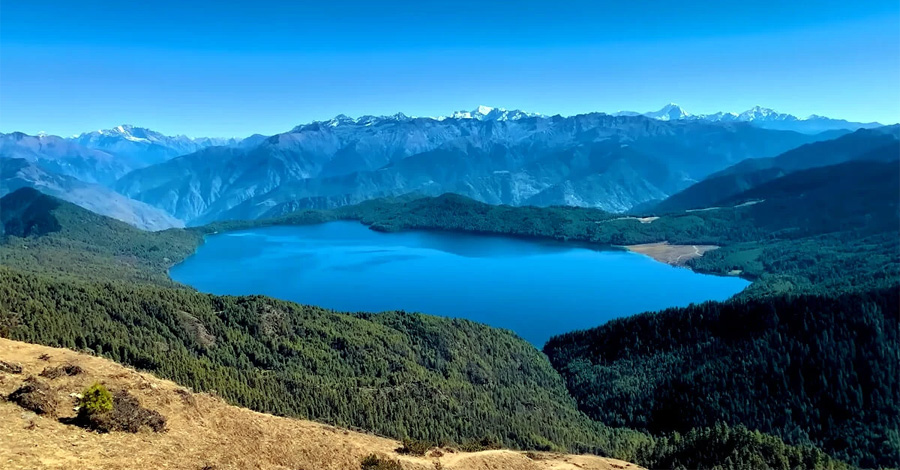
Jumla Rara Lake Trek is one of the most enchanting off-the-beaten-path adventures in western Nepal....
 Best Seller
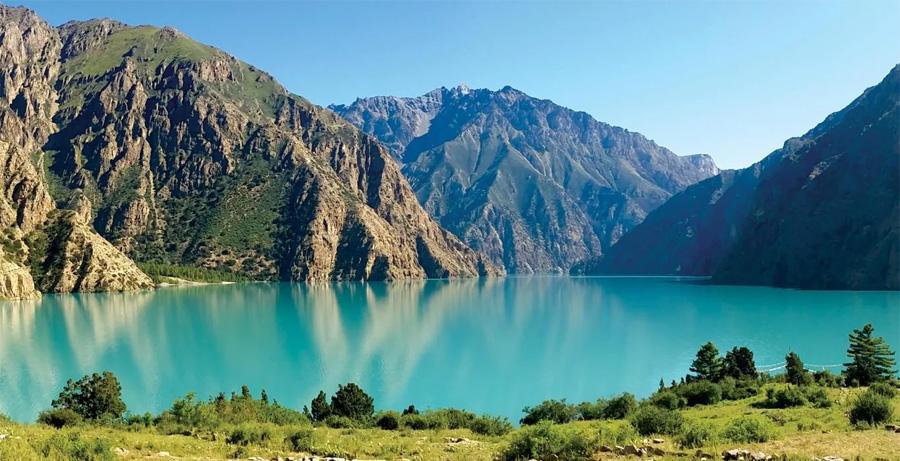
Phoksundo Lake Trek is one of the most stunning trekking adventures in Nepal, leading you...
 Best Seller
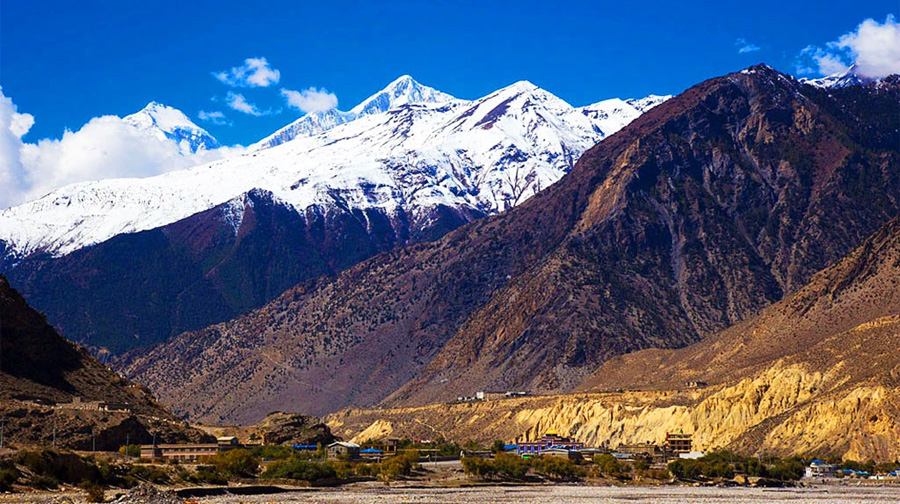
The Nar Phu Valley Trek is one of Nepal’s most spectacular off-the-beaten-path adventures, offering a...
 Best Seller
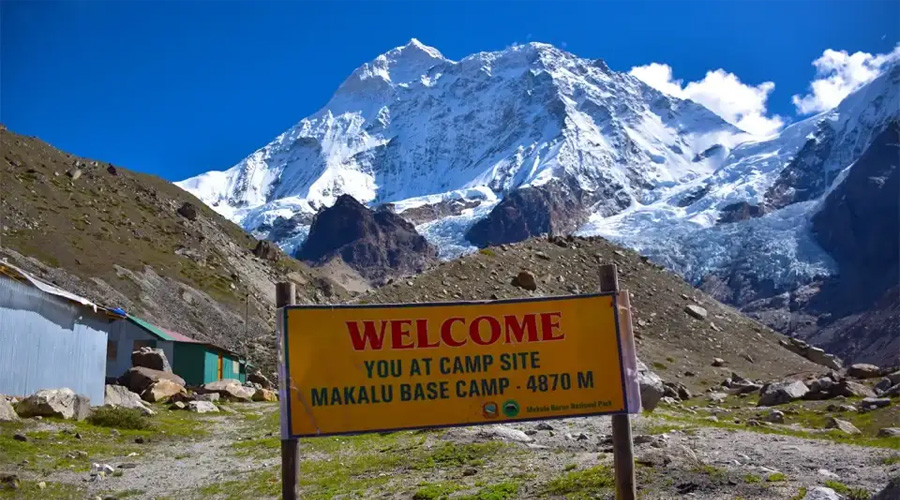
The Makalu Base Camp Trek is a premier trekking destination in Nepal, offering a spectacular...
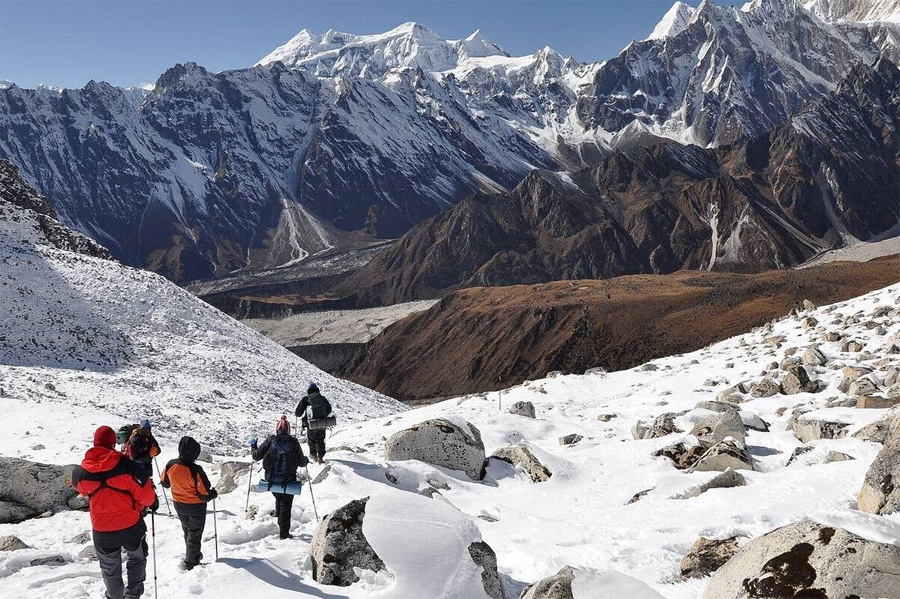 Best Seller
The Manaslu Base Camp Trek is one of Nepal’s most breathtaking and adventurous trekking experiences,...
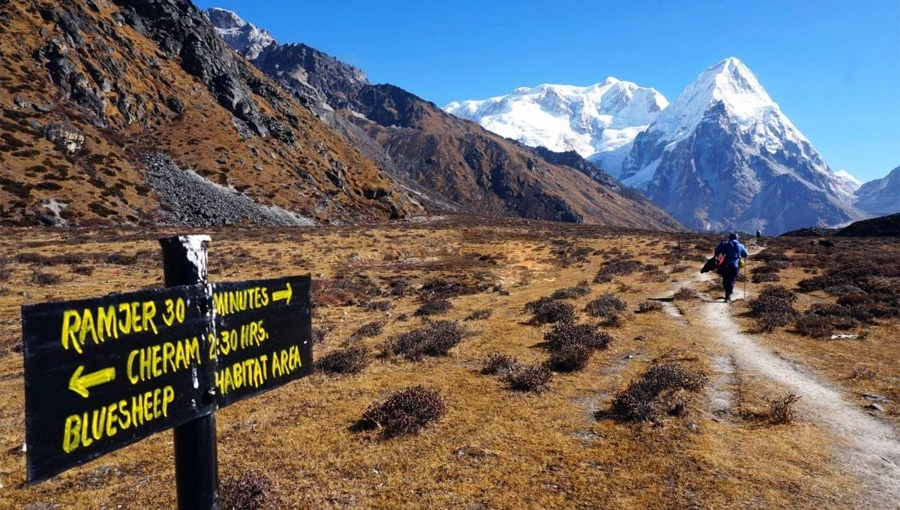 Trek through high mountain passes
Kanchenjunga Trekking is a remote, wild, and exhilarating adventure that offers trekkers a unique experience...
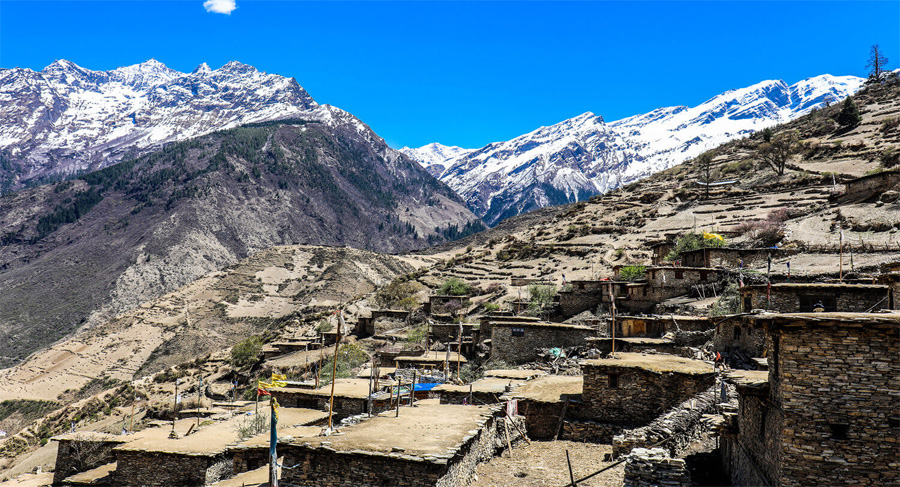 Nepal’s Hidden Himalayan Kingdom
The Upper Dolpo Trekking is a once-in-a-lifetime journey into one of Nepal’s most remote and...
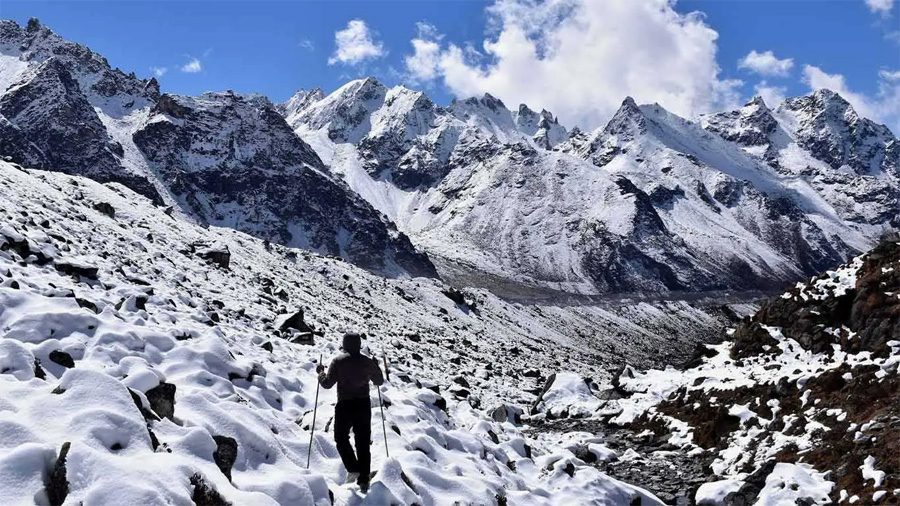 Nepal's most remote trek
The Kanchenjunga Circuit Trek is one of Nepal’s most remote and challenging trekking experiences, taking...
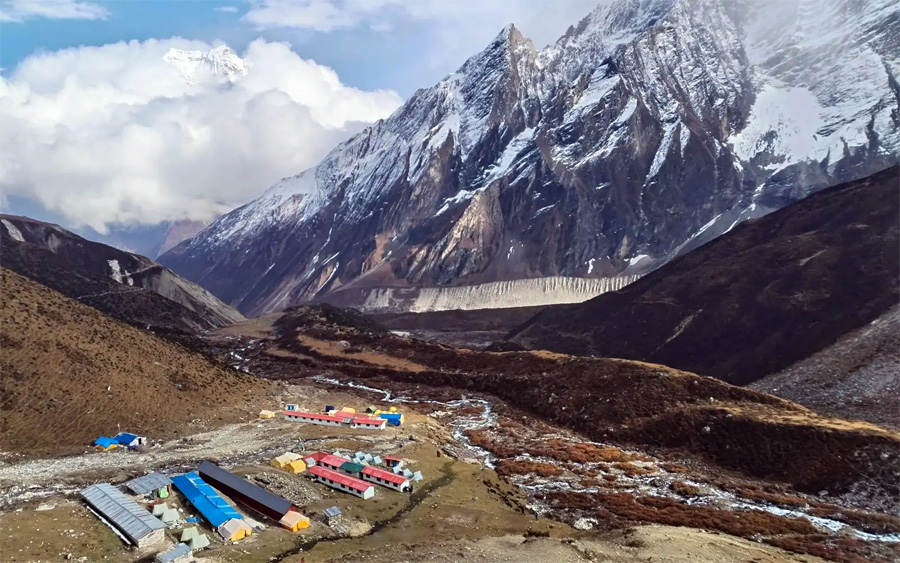 Best Seller
Manaslu Circuit Trek is one of Nepal’s most breathtaking treks, offering a blend of towering...
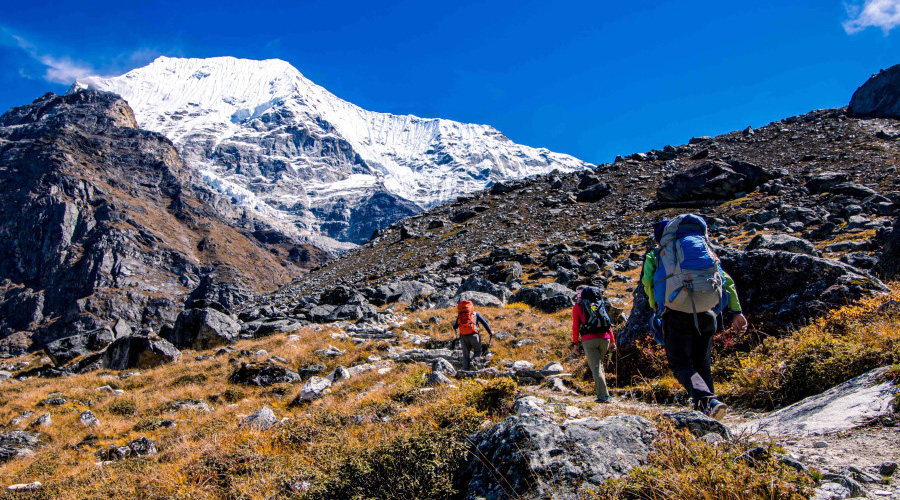 Best Seller
Rolwaling Trekking is a hidden gem in Nepal’s northeastern Himalayas, offering trekkers an unparalleled view...
Remote area treks are located in isolated, less-developed regions with limited facilities, fewer visitors, and rugged, natural landscapes. These routes often require special permits and sometimes camping.
Major remote treks include Dhaulagiri Circuit, Kanchenjunga Base Camp, Makalu Base Camp, Manaslu Circuit, Upper Dolpo, Lower Dolpo, Rolwaling Valley, and Nar-Phu Valley.
Yes. Many remote treks are classified as restricted areas and require special permits (e.g., Manaslu, Kanchenjunga, Dolpo, Upper Mustang, Nar-Phu). These must be issued through a licensed trekking company.
Remote area treks range from moderate to extremely challenging, depending on altitude, duration, and terrain. Most require good physical fitness and prior trekking experience.
Basic teahouses are available on some routes (Manaslu, Kanchenjunga), but camping may be required in regions like Dhaulagiri and Upper Dolpo.
The ideal seasons are:
Yes, when done with a professional guide and proper logistics. These regions are isolated, so safety planning, acclimatization, and local navigation support are essential.
No. Restricted areas require a minimum of two trekkers (except Manaslu which now allows solo with guide). A licensed guide is mandatory for all restricted regions.
Most remote treks require strong physical fitness, ability to walk 6–8 hours daily, and comfort with high altitudes and rugged trails.
A professional company manages permits, safety, guides, porters, logistics, camping equipment (if needed), and emergency support—essential for remote routes.