The Everest Region Trekking, also known as the Khumbu Region, is one of Nepal’s most iconic and breathtaking trekking destinations. Famous for its dramatic landscapes, vibrant Sherpa culture, and close-up views of the world’s highest mountains, this legendary region attracts thousands of trekkers and climbers from all over the world each year.
This Himalayan sanctuary is home to towering peaks such as Mt. Everest (8,848.86m), Lhotse (8,516m), Makalu (8,481m), Cho Oyu (8,188m), and the exceptionally beautiful Ama Dablam (6,812m). The trekking trails here offer a perfect blend of natural beauty, cultural depth, and high-altitude adventure, making it a must-visit destination for anyone seeking a once in a lifetime journey.
Most trekking routes follow the Dudh Koshi River Valley, leading into the heart of Sagarmatha National Park, a UNESCO World Heritage Site known for its dramatic valleys, glacial rivers, rugged terrain, and diverse ecosystem. Trekkers walk through vibrant forests of rhododendron, blue pine, fir, and juniper, especially stunning in spring when the rhododendrons bloom in brilliant shades of red, pink, and white.
The Everest Region is rich in wildlife. Lucky trekkers may spot the elusive snow leopard, Himalayan tahr, musk deer, or pika (mouse hare). Bird enthusiasts can enjoy sightings of the snow crow, snow pigeon, and Nepal’s national bird, the Impeyan pheasant (Danfe).
Culturally, the region is deeply rooted in ancient Tibetan Buddhist traditions. Colorful prayer flags, intricately carved mani stones, and centuries-old monasteries add spiritual beauty to every step. Sherpa hospitality awaits in picturesque villages such as Khumjung, Tengboche, Phortse, Dingboche, and Pangboche, where trekkers experience warm welcomes, traditional meals, and insights into Sherpa life.
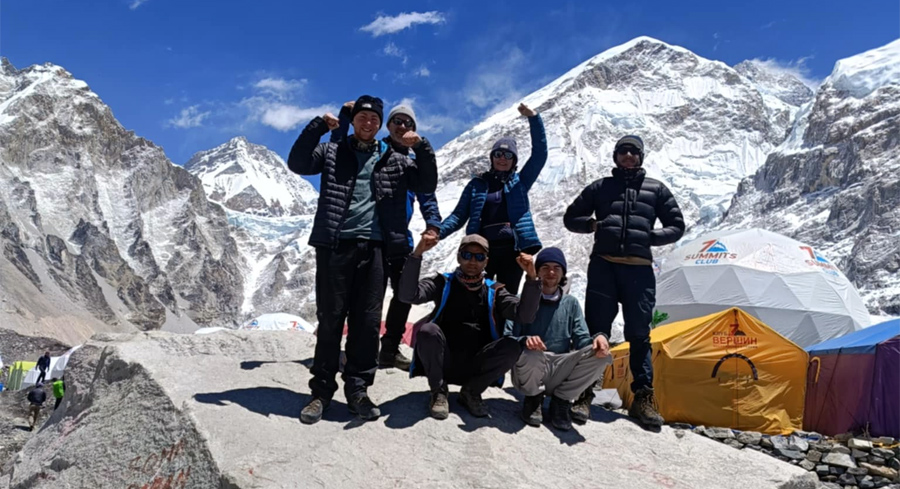 Hiking on Top of the World.
The Everest Base Camp Trek (EBC) is a legendary adventure that takes you deep into...
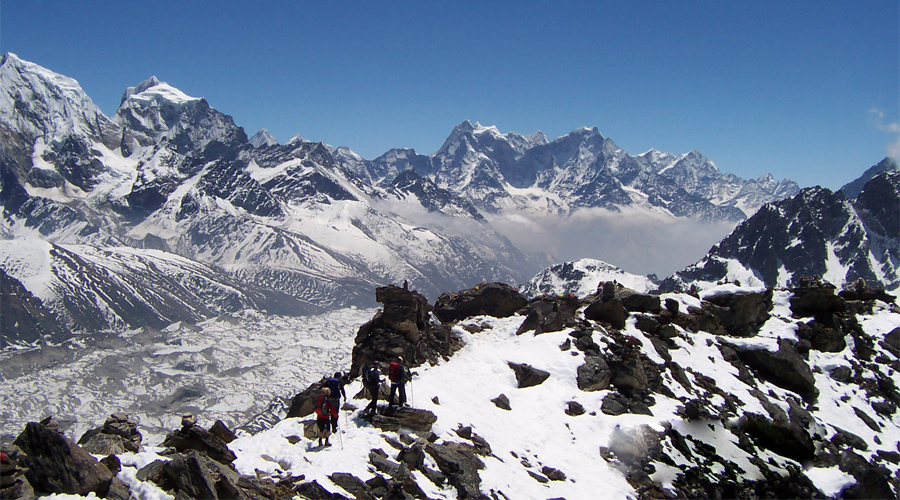 Best Seller
The Gokyo to Everest Base Camp Trek—often called the Everest Circuit Trek—is an exhilarating high-altitude...
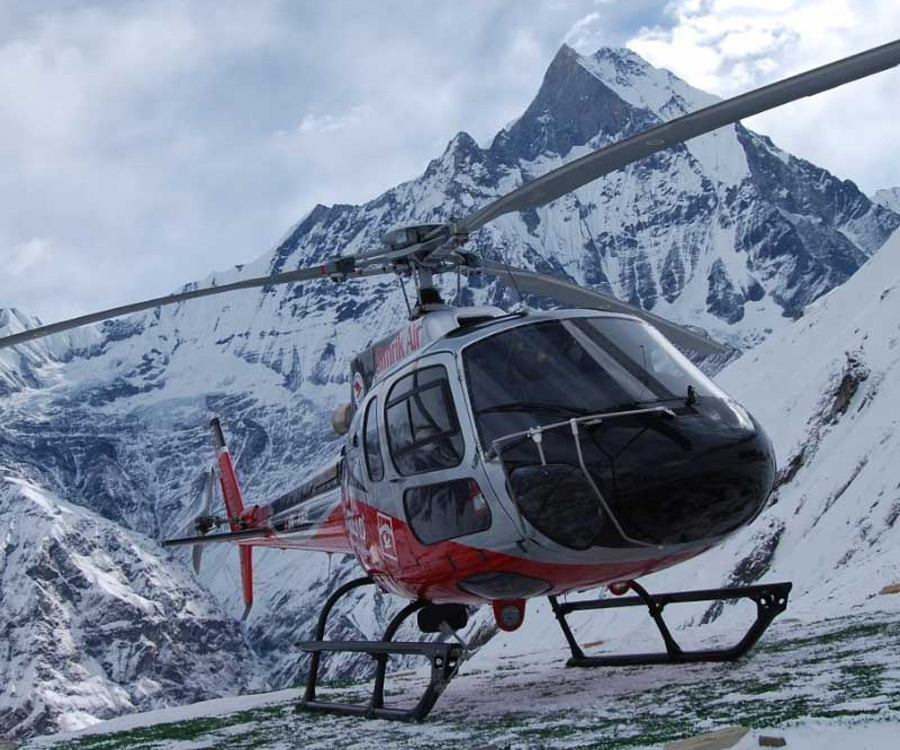 Best Seller
The Everest Base Camp Trek with Helicopter Return is a perfect blend of Himalayan adventure...
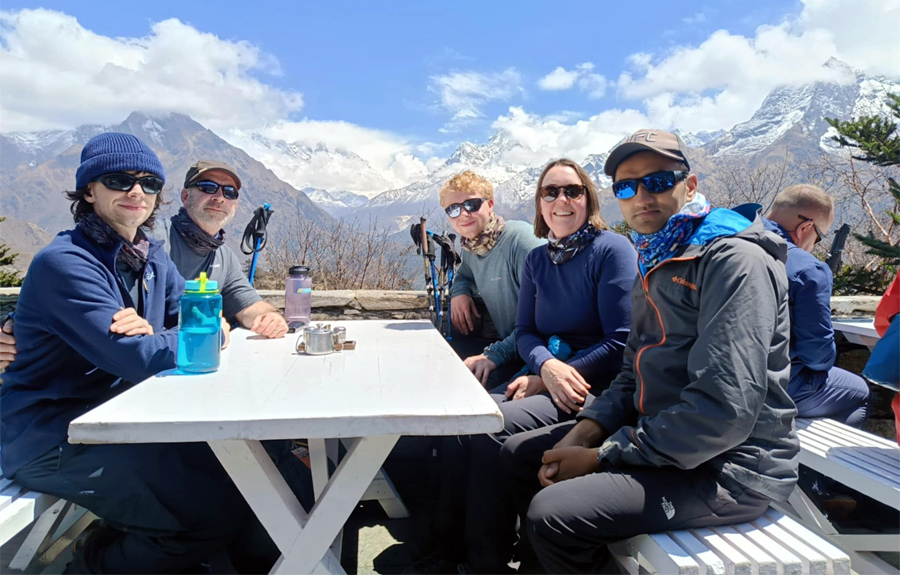 Best Seller
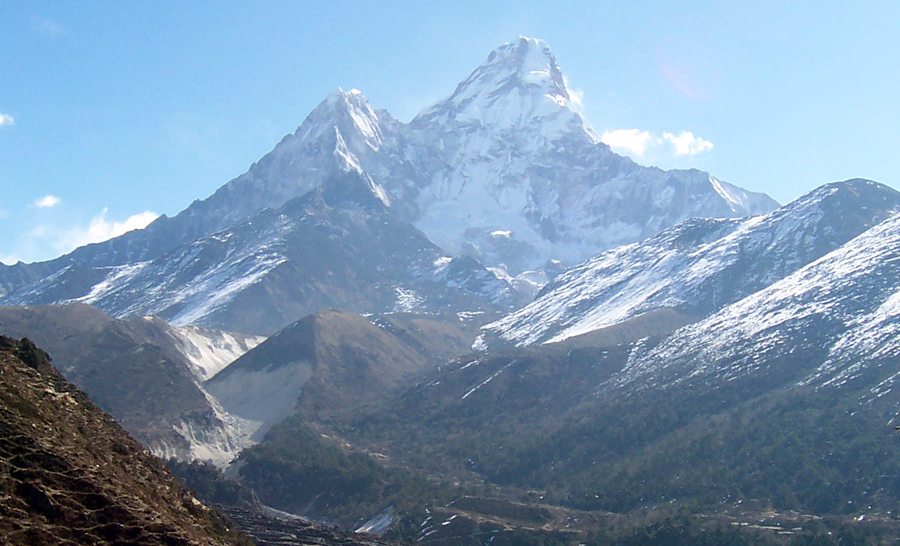
The Everest View Trek is a perfect short trek in the Everest region designed for...
 Best Seller
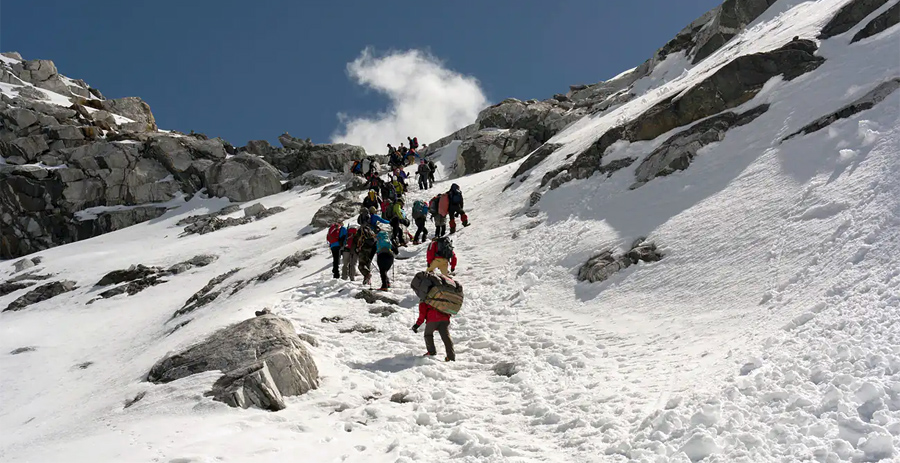
The Everest High Passes Trek is the most thrilling, scenic, and demanding trekking experience in...
 Best Seller
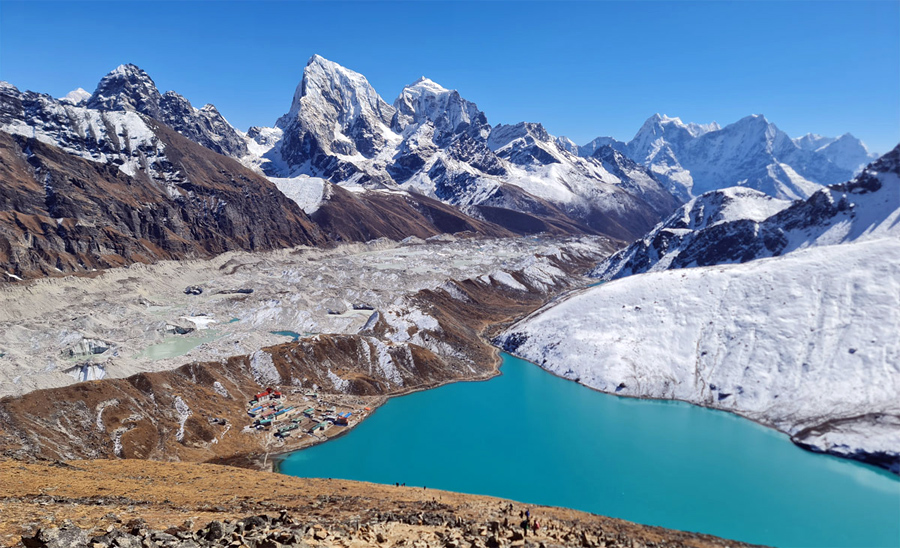
The Everest Gokyo Lake Trek offers a breathtaking alternative to the traditional Everest Base Camp...
 Best Seller
The Everest Panorama Trek is the perfect short Himalayan adventure, ideal for those seeking incredible...
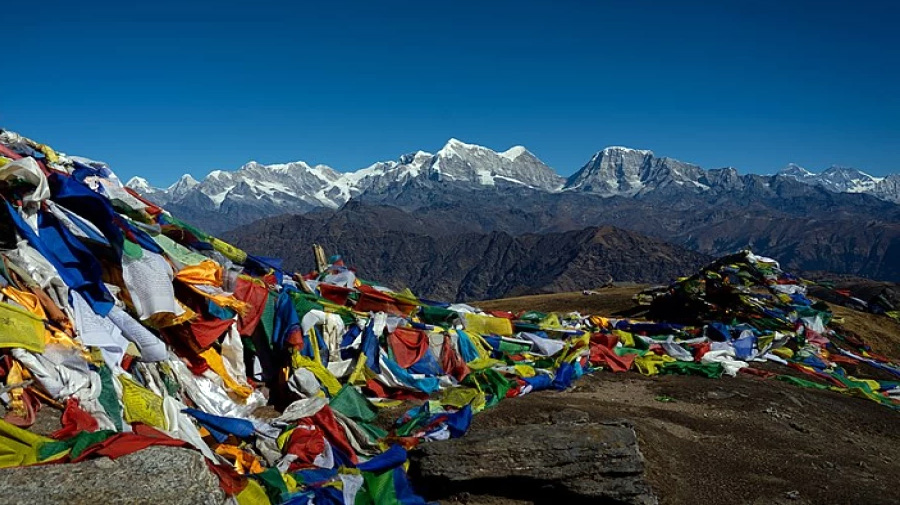 The best view of Mount Everest
Pikey Peak Trek is a newly introduced trekking route in the Everest region that offers...
Most treks range between 5 to 18 days, depending on the itinerary. The Everest Base Camp Trek typically takes 12 to 14 days.
The best seasons are:
Travelers can reach the Everest Region by:
Yes, the trails are generally safe and well-marked. However, weather, altitude, and trail conditions can be unpredictable.
Hiring a professional guide or porter is highly recommended for safety, navigation, and local insights.
Basic fitness is enough for standard routes like EBC, but advanced routes such as Gokyo Ri or the Three Passes Trek require more stamina and prior trekking experience.
Yes. Proper acclimatization, slow ascent, and awareness of symptoms are crucial. Trekkers should never underestimate altitude.
Two permits are needed:
Tea houses and lodges are available throughout the major trekking routes. They provide basic rooms, warm meals, and a comfortable place to rest.
Yes, independent trekking is allowed. However, hiring a guide/porter enhances safety, ensures proper acclimatization, and provides cultural understanding.
It is a moderate to challenging trek due to altitude and long walking days, but accessible to anyone with reasonable fitness and determination.