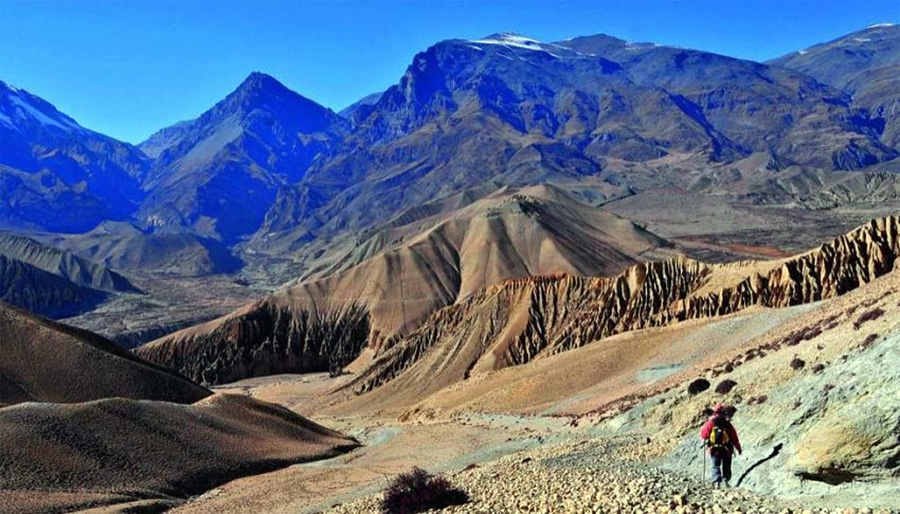
The Mustang Region Trekking is one of Nepal’s most culturally rich and geographically unique trekking destinations, offering an extraordinary blend of arid desert landscapes, ancient Tibetan-influenced culture, and dramatic Himalayan scenery. Once known as the “Forbidden Kingdom,” Upper Mustang was opened to foreign trekkers only in 1992, allowing limited access to its preserved traditions, ancient monasteries, royal palaces, and centuries-old cave settlements.
Trekking in the Mustang region offers a striking contrast to the lush greenery found in other parts of Nepal. The region lies in the rain shadow of the Annapurna and Dhaulagiri ranges, making it ideal for trekking even during the monsoon season. With its windswept cliffs, colorful rock formations, medieval villages, and panoramic mountain views, Mustang presents an adventure unlike any other in the Himalayas.
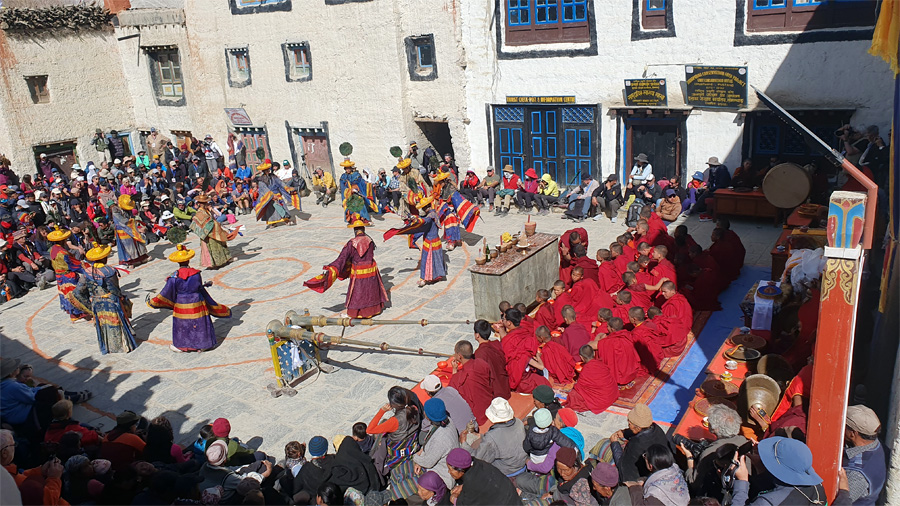
The centerpiece of the region is Lo-Manthang, the ancient walled capital of Upper Mustang. Here, trekkers can explore the Mustang King’s Palace, age-old monasteries, traditional mud-brick houses, and unique festivals such as the Tiji Festival, a vibrant celebration of Buddhist mythology and ritual mask dances that attract travelers from all over the world.
Culturally, Mustang retains strong Tibetan roots. Monasteries adorned with intricate frescoes, prayer flags fluttering in the mountain wind, carved mani walls, and ancient sky caves offer deep insights into Mustang’s spiritual landscape. The region also features barley fields, yak grazing pastures, and traditional Thakali and Tibetan Buddhist communities that have preserved their ancient lifestyle for generations.
The classic Upper Mustang trek begins with a scenic flight from Pokhara to Jomsom, followed by a journey through desert canyons, barren cliffs, and serene Himalayan villages. However, trekking in Upper Mustang requires a special restricted area permit, costing USD 500 for the first 10 days, and USD 50 for each additional day. A minimum of two trekkers is mandatory to obtain the restricted permit.
Adventure Friendship organizes a variety of treks and jeep tours in both Lower and Upper Mustang, allowing travelers to explore places such as Kagbeni, Jomsom, Muktinath, Marpha, Lo-Manthang, Nilgiri, and the mystical sky caves. Whether you prefer trekking or a combination of cultural exploration and off-road adventure, Mustang offers an unforgettable experience of nature, heritage, and Himalayan beauty.
Popular Attractions in Mustang Region
 Best Seller
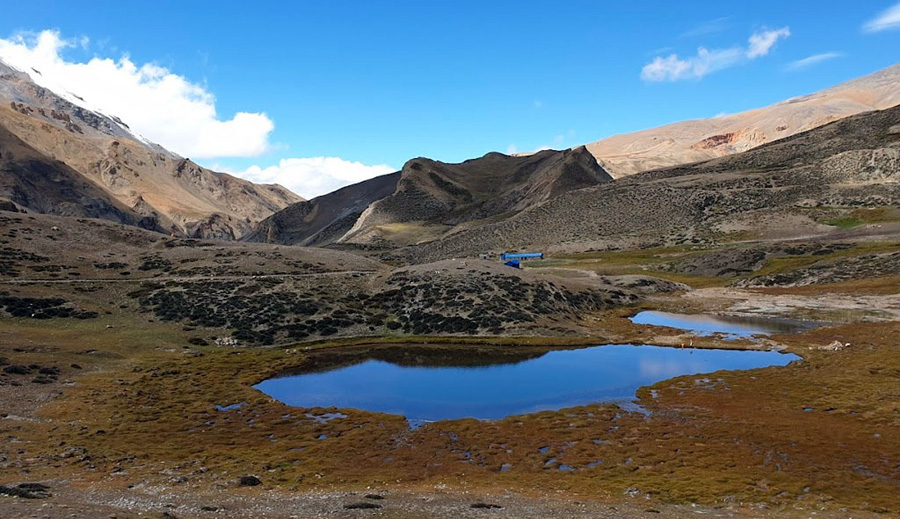
Damodar Kunda lies in the remote Upper Mustang region of Nepal, situated between Kagbeni and...
 The Last Forbidden Kingdom
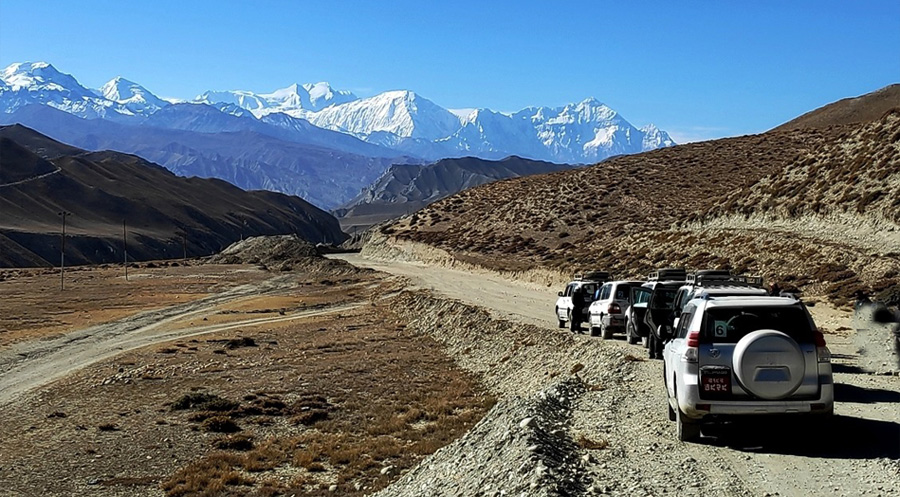
The Upper Mustang Overland Tour is an 8-day jeep and 4WD adventure into Nepal’s remote...
 Best Seller
The Upper Mustang Trek is a journey into the once-forbidden kingdom of Lo — a...
 Best Seller
Experience the magic of Nepal’s Upper Mustang during the vibrant Tiji Festival in Lo Manthang....
 Best Seller
The Jomsom Muktinath Trek is a spectacular journey combining the wonders of nature and rich...
Mustang lies in northwestern Nepal, bordering Tibet. Upper Mustang sits beyond the Himalayas, inside the Trans-Himalayan region, making it one of Nepal’s most unique trekking destinations.
Most Mustang treks are moderate, with gradual altitude gain and relatively stable weather. However, long walking days and dry, windy conditions can make the trek moderately challenging.
Yes. Upper Mustang requires a restricted area permit (USD 500 for 10 days). A minimum of two trekkers is mandatory, and the permit must be issued through a government-registered trekking company.
The Mustang Region is ideal for trekking year-round, including monsoon season, due to its location in the rain shadow. The most popular months are:
Most treks start with a flight from Pokhara to Jomsom. From Jomsom, trekking or jeep travel begins toward Kagbeni and Upper Mustang.
Lower Mustang and Jomsom–Muktinath routes are suitable for families. Upper Mustang can be done with children who have trekking experience and can walk long distances.
Teahouses and guesthouses are available along the trail. Lo-Manthang and other major villages offer comfortable lodges with basic amenities.
Mustang has preserved Tibetan Buddhism for centuries. Ancient monasteries, cave dwellings, the Tiji Festival, and the traditional lifestyle of Mustang’s people make it a culturally rich trekking destination.
Yes. Adventure Friendship offers jeep tours to Upper Mustang for travelers who prefer less walking but still want to explore Mustang’s culture and landscapes.