Everest
27 Days
Challenging
2-30 Persons
6812m.
Spring and Autumn
Expedition/Climbing/Trekking
Hotel, Tea House & Tent
Breakfast, Lunch, and Dinner
Private Transport
Kathmandu
Kathmandu
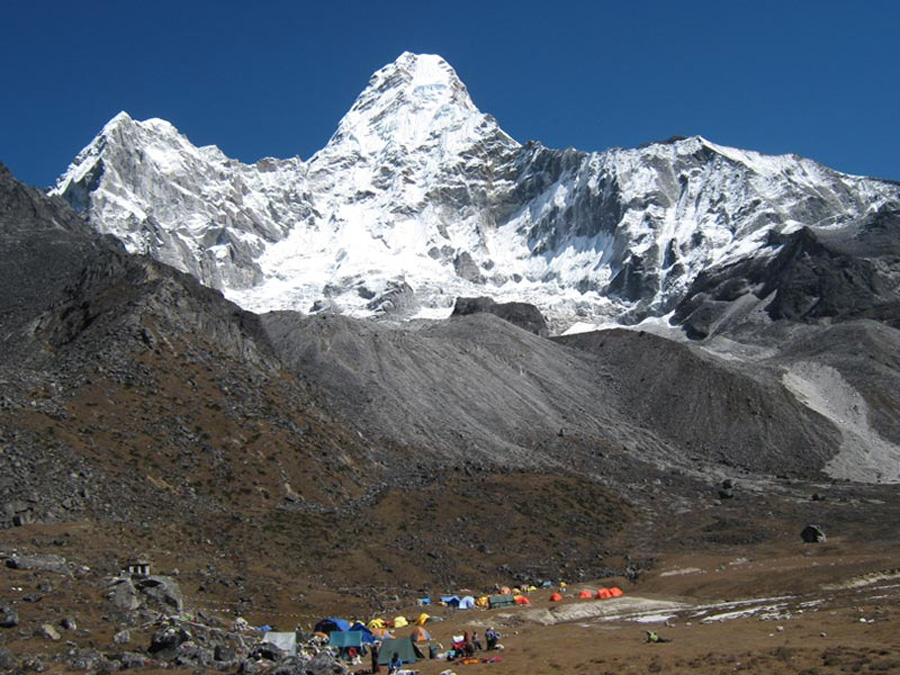
Ama Dablam, at 6,812 meters (22,349 ft), is one of the most iconic peaks in the Himalayas, located in the Everest region of Nepal. Its sharp pyramid shape and hanging glaciers make it a jewel of the Khumbu. Often called the “Matterhorn of the Himalayas,” Ama Dablam is a dream climb for mountaineers and one of the most technical climbing peaks in the world.
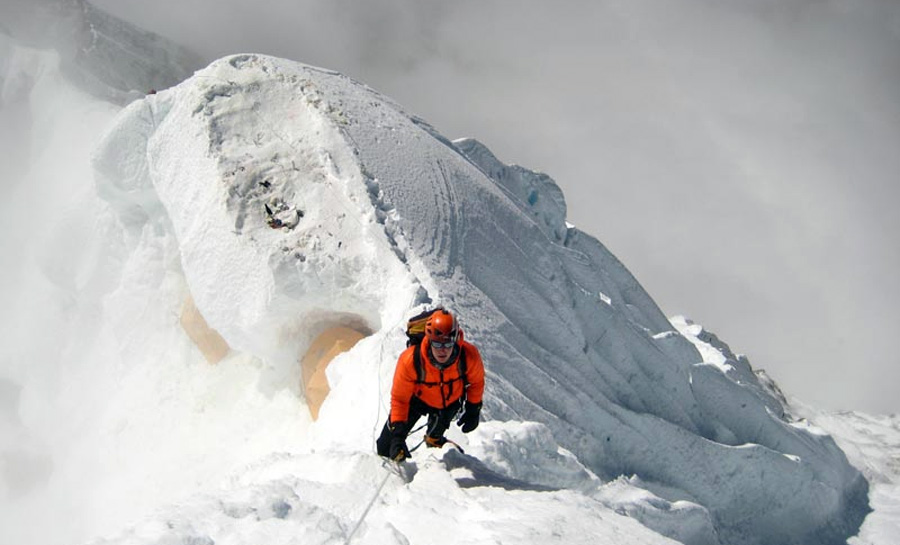
The South-West Ridge route is the classic and most popular path to the summit. Climbers face steep ice, rock, and snow sections, fixed rope ascents, and narrow ridges, making this an exciting but demanding climb. Three high camps are usually established above Base Camp:
From Camp III, climbers make the final push to the summit with spectacular views of Everest (8848m), Lhotse (8516m), Makalu (8463m), Island Peak, and the Khumbu Himalayas.
Ama Dablam is often chosen as a stepping-stone expedition for climbers aiming for 8000m peaks, but it requires solid mountaineering skills and previous experience.
Your expedition begins with a warm welcome at Tribhuvan International Airport. Our representative transfers you to your hotel, where you meet the team and enjoy a welcome Nepali dinner. A short briefing prepares you for the days ahead.
Today is dedicated to preparing for the climb. You’ll review your personal gear with the expedition leader, finalize equipment rentals, and complete permit formalities. The rest of the day is free for last-minute shopping in Thamel.
You visit the Department of Tourism for the mandatory government briefing and meet the assigned liaison officer. After reviewing the climbing plan and safety protocols, enjoy the evening relaxing at your hotel.
A thrilling mountain flight to Lukla marks the true start of your adventure. After meeting the trekking crew, begin your gentle descent along the Dudh Koshi River, passing small Sherpa settlements and prayer walls. Overnight in Phakding.
Follow the river valley into Sagarmatha National Park before climbing steadily through pine forests and suspension bridges. The trail rises steeply to Namche Bazaar—the vibrant Sherpa capital. Overnight lodge.
A crucial rest day to help your body adapt. Take a short hike to Syangboche, Everest View Hotel, or Khumjung for panoramic views of Everest, Lhotse, and Ama Dablam. Explore Namche’s market, museums, and coffee shops.
Descend to the river before climbing steadily through lush rhododendron forests to the hilltop monastery of Tengboche. Enjoy stunning views of Ama Dablam dominating the skyline. Overnight lodge.
Cross the Imja River and follow the trail over grassy alpine ridges to reach Ama Dablam Base Camp. The camp is set up with dining tents, sleeping tents, and kitchen support. Your climbing journey officially begins here.
A carefully structured schedule of rotations, acclimatization, and summit planning:
Climbers return to Base Camp after the summit push for rest and celebration.
Bid farewell to Base Camp and retrace your route through Pangboche and Tengboche, arriving back in Namche for a well-deserved rest. Overnight lodge.
A long but scenic walk takes you back to Lukla. Celebrate with the team and enjoy a relaxing evening before the return flight.
Take a scenic morning flight back to Kathmandu. Transfer to your hotel for a relaxing shower and recovery.
A flexible day for shopping, café hopping, or optional cultural sightseeing. Ideal for rest after your expedition.
Transfer to the airport for your international flight. Our team ensures smooth assistance until your departure.
Interested in this trip? Start planning your adventure today!
| Start Date | End Date | Price | Status | Booking |
|---|---|---|---|---|
| Sorry, no fixed departure dates are available. Please request a
| ||||
| Start Date | End Date | Price | Status | Booking |
|---|---|---|---|---|
| Sorry, no fixed departure dates are available. Please request a
| ||||
| Start Date | End Date | Price | Status | Booking |
|---|---|---|---|---|
| Sorry, no fixed departure dates are available. Please request a
| ||||
| Start Date | End Date | Price | Status | Booking |
|---|---|---|---|---|
| Sorry, no fixed departure dates are available. Please request a
| ||||
| Start Date | End Date | Price | Status | Booking |
|---|---|---|---|---|
| Sorry, no fixed departure dates are available. Please request a
| ||||
| Start Date | End Date | Price | Status | Booking |
|---|---|---|---|---|
| Sorry, no fixed departure dates are available. Please request a
| ||||
| Start Date | End Date | Price | Status | Booking |
|---|---|---|---|---|
| Sorry, no fixed departure dates are available. Please request a
| ||||
| Start Date | End Date | Price | Status | Booking |
|---|---|---|---|---|
| Sorry, no fixed departure dates are available. Please request a
| ||||
| Start Date | End Date | Price | Status | Booking |
|---|---|---|---|---|
| Sorry, no fixed departure dates are available. Please request a
| ||||
| Start Date | End Date | Price | Status | Booking |
|---|---|---|---|---|
| Sorry, no fixed departure dates are available. Please request a
| ||||
| Start Date | End Date | Price | Status | Booking |
|---|---|---|---|---|
| Sorry, no fixed departure dates are available. Please request a
| ||||
| Start Date | End Date | Price | Status | Booking |
|---|---|---|---|---|
| Sorry, no fixed departure dates are available. Please request a
| ||||
Ama Dablam is considered a technical 6,000m climb, requiring experience with fixed ropes, steep mixed terrain, and exposure. It is suitable for climbers who have prior high-altitude and technical mountaineering experience.
Yes. Participants should have experience with:
This expedition is ideal preparation for Everest or other 8,000m peaks.
The spring (April–May) and autumn (October–November) seasons offer the most stable weather, clear visibility, and ideal climbing conditions.
The full expedition takes approximately 27 days, including trekking, acclimatization, climbing rotations, the summit attempt, and return to Kathmandu.
Most expeditions follow a 1 climber : 1 Sherpa climbing guide ratio for maximum safety and success.
Yes. Base Camp is equipped with solar power, radio communication, and in many cases satellite communication for emergencies.
Emergency helicopter evacuation is available if weather permits. Climbers must have personal travel & rescue insurance that covers high-altitude evacuation.
Temperatures can drop to –20°C to –30°C at higher camps during summit nights. Proper high-altitude gear is essential.
Typically, full-board expeditions include: