Everest
56 Days
Challenging
2-30 Persons
8516m.
Spring and Autumn
Expedition/Climbing/Trekking
Hotel, Tea House & Tent
Breakfast, Lunch, and Dinner
Private Transport and Flight
Kathmandu
Kathmandu
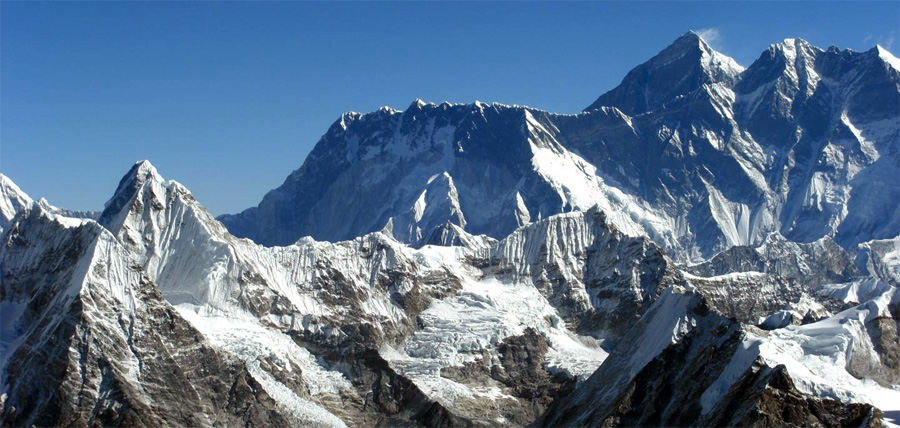
Mount Lhotse (8516m) is the fourth highest mountain in the world, located in the Everest massif and directly connected to Mount Everest via the South Col. Its name means “South Peak” in Tibetan. Lhotse expedition has three main summits: Lhotse Main (8516m), Lhotse Middle (8414m), and Lhotse Shar (8383m).
The first successful ascent of Lhotse Main was made in 1956 by a Swiss expedition team, just three years after Everest’s first ascent. Since then, climbers from across the globe have been attracted to its steep walls, technical challenges, and shared climbing route with Everest until the South Col.
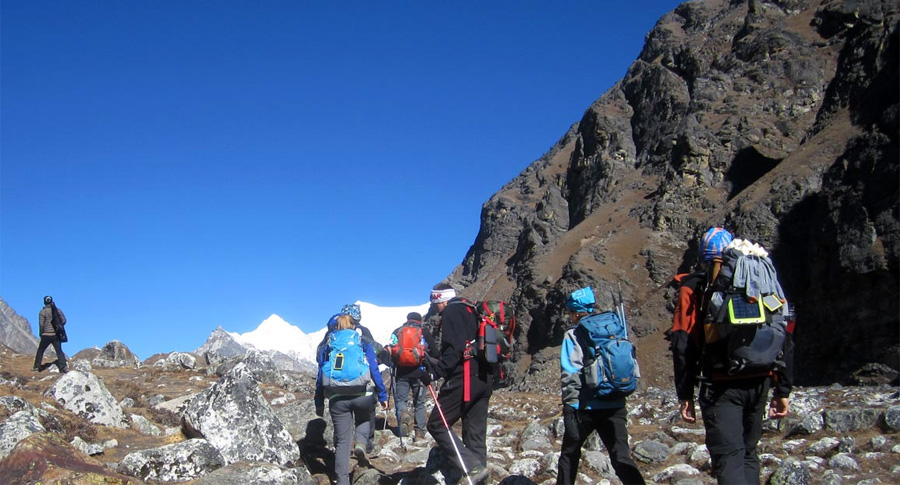
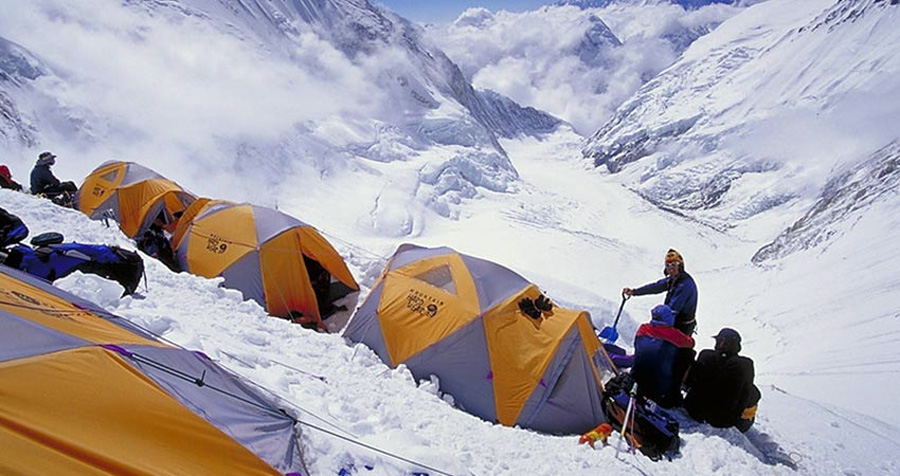
The classic Lhotse Expedition route follows the Everest Base Camp trek through Lukla, Namche Bazaar, Tengboche, Dingboche, Lobuche, and finally to Base Camp. Climbers establish several higher camps above Base Camp, sharing the route through the Khumbu Icefall and Western Cwm with Everest climbers before diverting towards the Lhotse Face.
The best seasons for Lhotse climbing are spring (April – May) and autumn (September – October) when weather conditions are most favorable.
Arrive at Tribhuvan International Airport, meet our representative, and transfer to your hotel. Evening welcome dinner and introduction to the expedition.
Gear check, final shopping, and preparation for the expedition. Overnight at hotel.
Attend expedition briefing at the Department of Tourism. Meet liaison officer and finalize permits. Hotel stay.
Early morning scenic flight to Lukla. Begin trek through Sherpa villages and descend to Phakding. Lodge stay.
Follow the Dudh Koshi River, cross suspension bridges, and ascend gradually to Namche Bazaar, the Sherpa capital. Lodge stay.
Short hike to Everest View Hotel or Khumjung village for acclimatization. Explore Namche market. Lodge stay.
Trek through rhododendron forests with views of Everest, Ama Dablam, and Thamserku. Visit Tengboche Monastery. Lodge stay.
Descend to Debuche, cross Imja Khola, and climb towards Pangboche and Pheriche. Lodge stay.
Continue uphill through alpine terrain, passing memorials for climbers. Reach Lobuche for overnight. Lodge stay.
Trek along the Khumbu Glacier and establish Lhotse Base Camp near Everest Base Camp. Begin camping.
Pack up and trek back through Lobuche to Pheriche. Lodge stay.
Descend along the familiar route, enjoying easier trekking and Sherpa hospitality. Lodge stay.
Final day of trekking, descend via Phakding to Lukla. Celebration with the team. Lodge stay.
Early morning flight from Lukla to Kathmandu. Transfer to hotel.
Rest day in Kathmandu. Option for sightseeing or shopping. Hotel stay.
Final departure transfer to Tribhuvan International Airport.
Interested in this trip? Start planning your adventure today!
| Start Date | End Date | Price | Status | Booking |
|---|---|---|---|---|
| Sorry, no fixed departure dates are available. Please request a
| ||||
| Start Date | End Date | Price | Status | Booking |
|---|---|---|---|---|
| Sorry, no fixed departure dates are available. Please request a
| ||||
| Start Date | End Date | Price | Status | Booking |
|---|---|---|---|---|
| Sorry, no fixed departure dates are available. Please request a
| ||||
| Start Date | End Date | Price | Status | Booking |
|---|---|---|---|---|
| Sorry, no fixed departure dates are available. Please request a
| ||||
| Start Date | End Date | Price | Status | Booking |
|---|---|---|---|---|
| Sorry, no fixed departure dates are available. Please request a
| ||||
| Start Date | End Date | Price | Status | Booking |
|---|---|---|---|---|
| Sorry, no fixed departure dates are available. Please request a
| ||||
| Start Date | End Date | Price | Status | Booking |
|---|---|---|---|---|
| Sorry, no fixed departure dates are available. Please request a
| ||||
| Start Date | End Date | Price | Status | Booking |
|---|---|---|---|---|
| Sorry, no fixed departure dates are available. Please request a
| ||||
| Start Date | End Date | Price | Status | Booking |
|---|---|---|---|---|
| Sorry, no fixed departure dates are available. Please request a
| ||||
| Start Date | End Date | Price | Status | Booking |
|---|---|---|---|---|
| Sorry, no fixed departure dates are available. Please request a
| ||||
| Start Date | End Date | Price | Status | Booking |
|---|---|---|---|---|
| Sorry, no fixed departure dates are available. Please request a
| ||||
| Start Date | End Date | Price | Status | Booking |
|---|---|---|---|---|
| Sorry, no fixed departure dates are available. Please request a
| ||||
The expedition lasts around 56 days, including trekking, acclimatization, and summit attempt.
The best time is spring (April–May), though autumn (September–October) is also possible.
Lhotse shares the same route as Everest up to Camp III. The final section, the Lhotse Couloir, is steep and technical but avoids Everest’s summit traffic.
Yes, supplemental oxygen is normally used above Camp III.
Yes, climbers must have experience on 6000m–7000m peaks and solid technical climbing skills.
Risks include altitude sickness, avalanches, rockfall, and harsh weather. Sherpa support, fixed ropes, and proper acclimatization reduce risks significantly.