Dhaulagiri
40 Days
Challenging
2-30 Persons
8167m.
Spring and Autumn
Expedition/Climbing/Trekking
Hotel, Tea House & Tent
Breakfast, Lunch, and Dinner
Private Transport
Kathmandu
Kathmandu
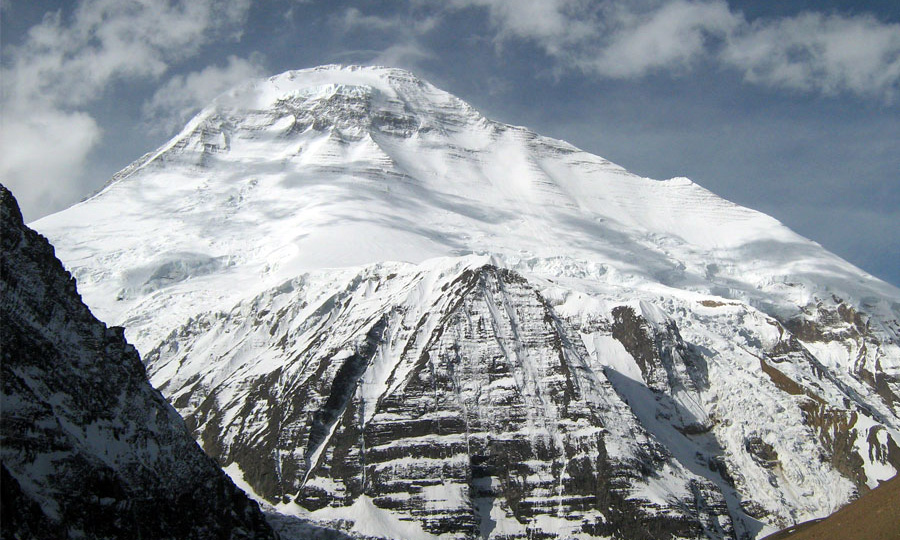
The Dhaulagiri Expedition is an adventurous journey to conquer the world’s seventh-highest mountain (8,167m), famously called the White Mountain. Located in western Nepal, the Dhaulagiri massif rises dramatically above the Kali Gandaki Gorge, the deepest gorge in the world. First climbed in 1960 by a Swiss-Austrian team, Dhaulagiri remains one of the more technically demanding 8,000-meter peaks due to its steep ridges, unpredictable avalanches, and challenging icefalls.
This 40-day full-board expedition combines a remote approach trek through traditional Magar villages, lush forests, alpine meadows, and glaciers before reaching the Dhaulagiri Base Camp at 4,700m. From there, climbers set up high camps at progressively higher altitudes, practice acclimatization rotations, and finally make a summit push under the guidance of experienced Sherpas.
The rewards are extraordinary—panoramic Himalayan views of Annapurna, Nilgiri, Tukuche Peak, and Mustang, plus the prestige of standing on one of the toughest 8,000ers. This expedition is suitable for experienced mountaineers with prior high-altitude climbing experience, technical skills, and strong physical endurance.
Arrive at Tribhuvan International Airport, where our team greets you and transfers you to your hotel. In the evening, enjoy a welcome dinner and a brief introduction to the expedition plan.
Attend an official briefing at the Department of Tourism, complete permit procedures, and conduct a thorough gear check. You’ll have time for last-minute shopping and to meet the full expedition team.
Enjoy a long scenic drive through Pokhara and Beni, following the Kali Gandaki corridor. The journey ends at Darbang, the gateway to the Dhaulagiri region. Overnight camping.
Begin the trek through warm lowlands, villages, and terraced fields. A gentle ascent leads to Dharapani, where you set up camp near the local settlement.
Follow stone-paved village trails and terraced farms as you ascend to Muri, a charming Magar village with exceptional views of Gurja Himal and surrounding peaks.
Descend to the Myagdi Khola and cross suspension bridges. Continue through thick forests and steep trail sections before reaching the riverside settlement of Bagar.
A more demanding day with steep ascents through dense forest and narrow paths. Camp is set near the river at Doban.
Gradual elevation gain through rhododendron, birch, and pine forests. The trail opens into alpine terrain, and you camp in the serene meadows of Sallaghari.
Enter the high-alpine zone with dramatic views of glacier walls and ice cliffs. Italian Base Camp sits below the west face of Dhaulagiri—an ideal spot for acclimatization.
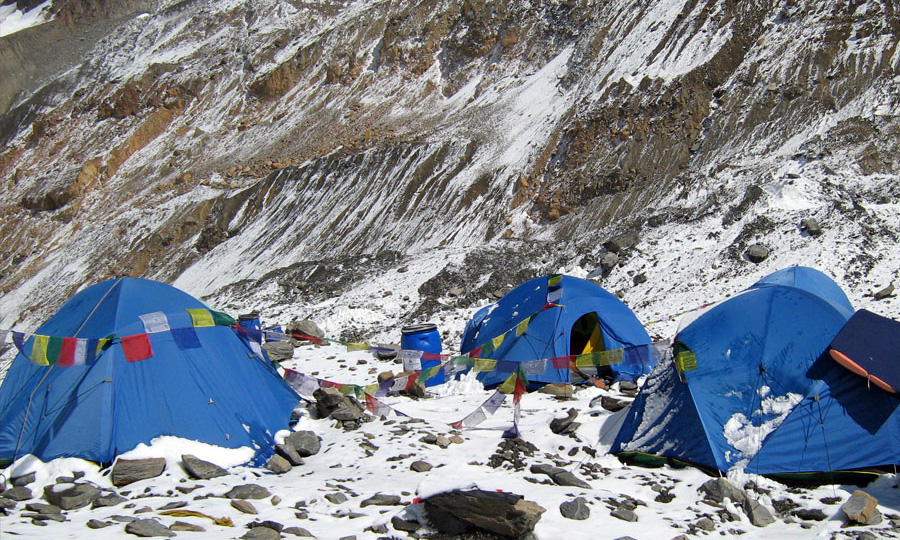
Cross glacier moraines, rocky terrain, and icy paths to reach the main Dhaulagiri Base Camp. Settle into the expedition camp with full logistics, dining tents, and climbing support setups.
Dhaulagiri Camp I (5,900m):
Reached via a steep snow and ice slope. Climbers complete rotation climbs between Base Camp and Camp I to acclimatize.
Dhaulagiri Camp II (6,400m):
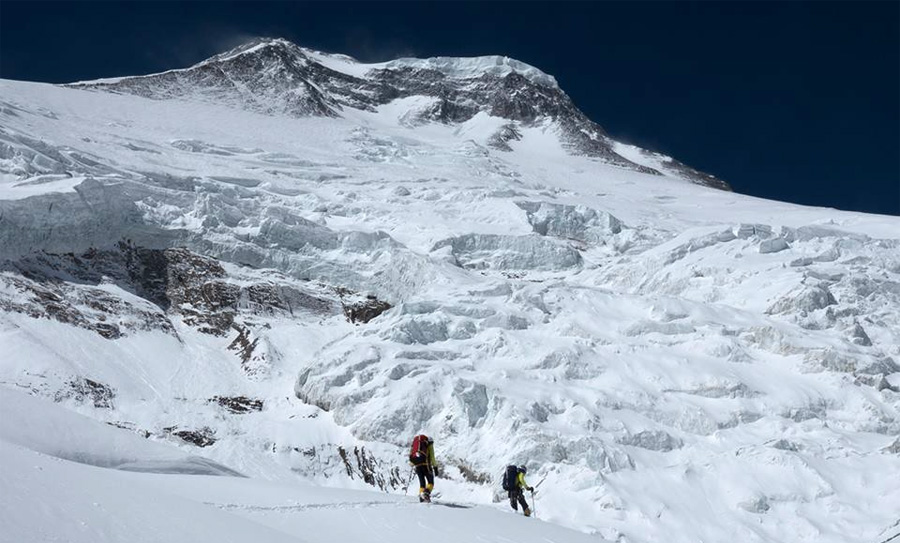
Located on an exposed snowy plateau. Fixed ropes may be needed due to crevasses and ice sections.
Dhaulagiri Camp III (7,400m):
A high and exposed camp on a ridge, often extremely cold and windy. Final acclimatization and summit push preparation happen here.
Dhaulagiri Summit Push (8,167m):
A midnight or early morning start. The route ascends steep ridges, ice slopes, and exposed sections leading to the spectacular summit of Dhaulagiri—one of the world’s most dramatic 8,000m peaks.
After summit success, climbers descend carefully to lower camps and return to Base Camp for rest.
Rotations:
Multiple acclimatization rotations between camps take place before the summit window opens.
Rest, reorganize personal equipment, and clean Base Camp. Celebrate the summit and prepare for the descent.
Cross the iconic French Pass (5,360m) and enter the secluded Hidden Valley. Continue descending to Yak Kharka for overnight camping.
Cross the second high pass, Dhampus Pass (5,200m), then descend into the drier Mustang region. Reach Jomsom and stay at a lodge.
Take a scenic morning flight to Pokhara and enjoy the lakeside ambiance. Hotel stay.
Return to Kathmandu by tourist bus or flight. Transfer back to your hotel.
A relaxing day for sightseeing, shopping, or rest. In the evening, enjoy a cultural farewell dinner with Nepali music and dance.
Transfer to the airport for your international flight. End of the expedition.
Interested in this trip? Start planning your adventure today!
| Start Date | End Date | Price | Status | Booking |
|---|---|---|---|---|
| Sorry, no fixed departure dates are available. Please request a
| ||||
| Start Date | End Date | Price | Status | Booking |
|---|---|---|---|---|
| Sorry, no fixed departure dates are available. Please request a
| ||||
| Start Date | End Date | Price | Status | Booking |
|---|---|---|---|---|
| Sorry, no fixed departure dates are available. Please request a
| ||||
| Start Date | End Date | Price | Status | Booking |
|---|---|---|---|---|
| Sorry, no fixed departure dates are available. Please request a
| ||||
| Start Date | End Date | Price | Status | Booking |
|---|---|---|---|---|
| Sorry, no fixed departure dates are available. Please request a
| ||||
| Start Date | End Date | Price | Status | Booking |
|---|---|---|---|---|
| Sorry, no fixed departure dates are available. Please request a
| ||||
| Start Date | End Date | Price | Status | Booking |
|---|---|---|---|---|
| Sorry, no fixed departure dates are available. Please request a
| ||||
| Start Date | End Date | Price | Status | Booking |
|---|---|---|---|---|
| Sorry, no fixed departure dates are available. Please request a
| ||||
| Start Date | End Date | Price | Status | Booking |
|---|---|---|---|---|
| Sorry, no fixed departure dates are available. Please request a
| ||||
| Start Date | End Date | Price | Status | Booking |
|---|---|---|---|---|
| Sorry, no fixed departure dates are available. Please request a
| ||||
| Start Date | End Date | Price | Status | Booking |
|---|---|---|---|---|
| Sorry, no fixed departure dates are available. Please request a
| ||||
| Start Date | End Date | Price | Status | Booking |
|---|---|---|---|---|
| Sorry, no fixed departure dates are available. Please request a
| ||||
Dhaulagiri is a highly challenging 8,000m. peak involving technical ice, crevasses, steep snow slopes, and exposed ridges. It requires prior 6,000m or 7,000m climbing experience.
Yes. Skills required include:
Approximately 40 days, including trekking, acclimatization, summit rotations, and return.
Base Camp is equipped with radios, solar power, and sometimes satellite phones (depending on logistics).
You need a Dhaulagiri climbing permit, TIMS, and conservation area entry permits—all arranged by the agency.
Yes, but only from lower altitudes and when weather permits. Climbers must carry rescue & travel insurance covering high-altitude evacuation.
Success depends on weather, experience, and physical conditioning. With proper rotation and strong Sherpa support, the success rate is favorable.
Temperatures can range from –25°C to –40°C at high camps, especially during summit night.