Annapurna
54 Days
Challenging
2-30 Persons
8091m.
Spring and Autumn
Expedition/Climbing/Trekking
Hotel, Tea House & Tent
Breakfast, Lunch, and Dinner
Private Transport
Kathmandu
Kathmandu
Annapurna massif, located in the north-central Himalayas of Nepal, comprises six major peaks: Annapurna I (8,091 m), Annapurna II (7,937 m), Annapurna III (7,555 m), Annapurna IV (7,525 m), Gangapurna (7,455 m), and Annapurna South (7,219 m). Annapurna I is the highest peak of the massif and the world’s 10th-highest mountain. It was also the first 8,000-meter peak ever climbed.
Climbing Annapurna is one of the most challenging endeavors in high-altitude mountaineering. Despite being the lowest 8,000-meter peak in the Himalayas, it is renowned for its technical difficulty. The standard climbing route is via the North-West Face, which demands advanced mountaineering skills, technical ice and rock climbing, glacier navigation, and crevasse crossing. This expedition is suitable only for experienced climbers with multiple high-altitude climbs and comprehensive knowledge of alpine expeditions.
The trek to Annapurna Base Camp traverses the Annapurna Conservation Area, Nepal’s first and largest conservation area. The route showcases diverse landscapes, from rhododendron and oak forests to rivers, waterfalls, alpine meadows, and terraced farming villages. Along the way, trekkers can experience the unique culture, resilience, and warm hospitality of local communities.
Optimal climbing seasons are spring and autumn, when weather conditions are relatively stable, with clear skies and moderate temperatures. Climbers should prepare for extreme and unpredictable weather, including strong winds, heavy snowfall, and frigid temperatures.
Upon arrival at Tribhuvan International Airport (TIA), our team will greet and transfer you to your hotel. After settling in, attend a pre-expedition briefing to review the itinerary, safety protocols, gear, and expedition details. In the evening, enjoy a traditional Nepali welcome dinner featuring authentic local cuisine and cultural performances.
Discover Kathmandu’s UNESCO World Heritage Sites, including Pashupatinath Temple, Boudhanath Stupa, Swayambhunath Stupa, and Durbar Squares. A professional city guide will share insights into Nepalese history, art, and culture. Post-sightseeing, return to the hotel for last-minute expedition preparation, ensuring all equipment and permits are ready.
Start a scenic 6–7 hour drive along the Prithivi Highway. Enjoy views of rivers, terraced fields, and hill settlements. Upon reaching Pokhara, explore the lakeside area or take a boat ride on Phewa Lake. Overnight stay in a comfortable hotel.
Drive to Nayapul, the trek starting point. Register permits at Birethanti. Begin the trek along the Modi Khola River, gradually ascending through subtropical forests and villages. Arrive at Tikhedhunga and spend the night in a local teahouse.
Ascend steep stone staircases and forested trails, passing Ulleri village and rhododendron forests. Reach Ghorepani, a popular trekking hub, with panoramic views of Annapurna and Dhaulagiri ranges. Overnight in a teahouse.
Early morning hike to Poonhill for a stunning sunrise over the Himalayas. Return to Ghorepani for breakfast, then descend through terraced fields and rhododendron forests towards Tatopani, famous for its natural hot springs. Overnight in a local teahouse.
Follow the Kali Gandaki River valley, ascending through forested trails. Visit Rupse Waterfall along the way and experience cultural transitions from Hindu to Tibetan Buddhist influences. Overnight in Ghasa village, known for its traditional Tibetan-style architecture.
Ascend through pine and conifer forests, enjoy birdwatching opportunities, and cross Dhampus Pass for panoramic mountain vistas. Arrive at Lete, a serene village with spectacular high-altitude landscapes. Overnight in a teahouse.
Follow trails along rivers and alpine meadows. Enter remote alpine landscapes surrounded by majestic peaks. Set up camp at Thulo Bugin, a tranquil high-altitude site ideal for acclimatization.
Navigate remote highlands and pastures to reach Hum Khola, a less-frequented area offering peaceful trekking amidst glaciers and high-altitude landscapes. Overnight in a tented camp.
Trek through rocky terrains and glacier-fed streams. Witness untouched Himalayan wilderness, then descend towards Miristi Khola campsite for an overnight stay.
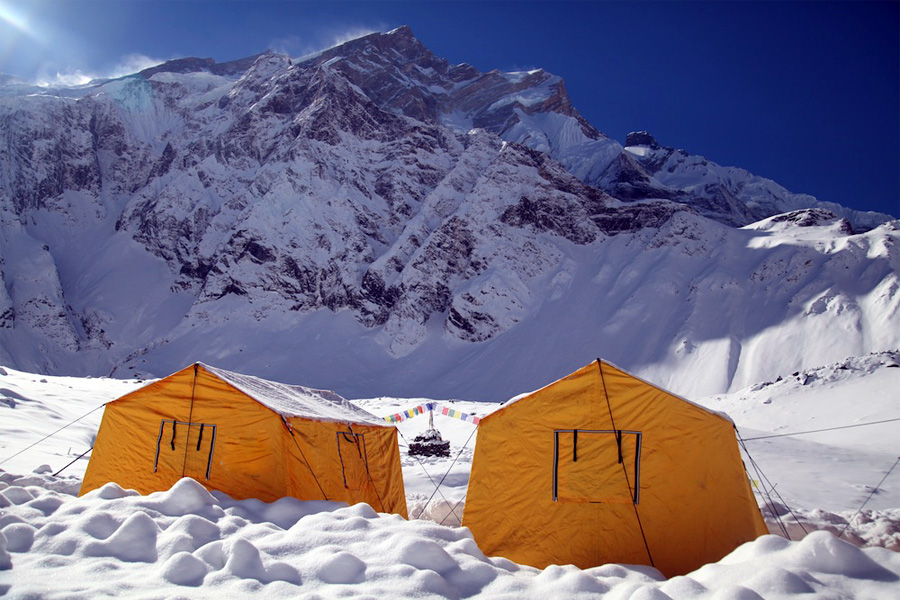
Ascend through rugged glaciers and ice formations. Reach North Base Camp, surrounded by Annapurna I and neighboring peaks. Acclimatize, train, and prepare for the summit climb. Camp overnight.
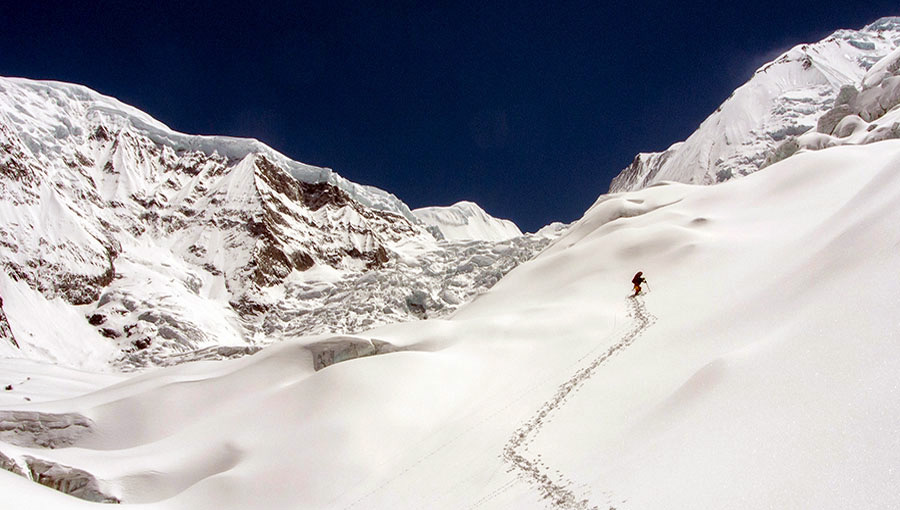
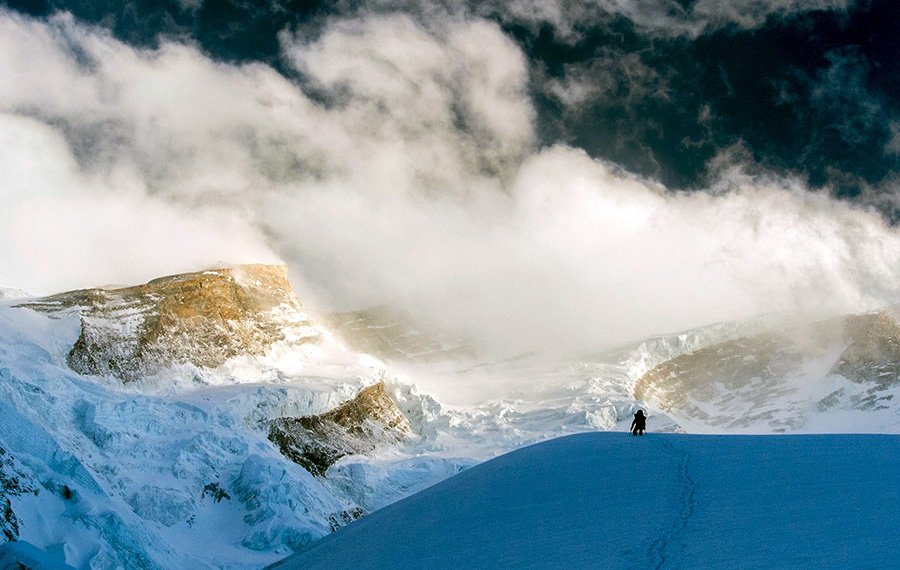
Progress through multiple high-altitude camps (Camps I–IV), undertaking acclimatization hikes, glacier crossings, and technical climbing. Summit attempts are planned based on weather and climbers’ conditions. Descend carefully back to Base Camp after the summit.
Retrace the route through alpine meadows, forests, and rivers. Overnight stays in camps and teahouses, with opportunities to relax in hot springs at Tatopani.
Complete the trek in Beni and drive to Pokhara, enjoying panoramic landscapes along the way. Overnight stay in a hotel.
Return to Kathmandu via scenic roads along the Trishuli River, passing villages, hills, and rivers. Check-in at hotel and rest.
Free day for shopping, sightseeing, or relaxation. Enjoy a farewell dinner celebrating the expedition’s success.
Private transfer to Tribhuvan International Airport for your flight home. End of the Annapurna Expedition.
Interested in this trip? Start planning your adventure today!
| Start Date | End Date | Price | Status | Booking |
|---|---|---|---|---|
| Sorry, no fixed departure dates are available. Please request a
| ||||
| Start Date | End Date | Price | Status | Booking |
|---|---|---|---|---|
| Sorry, no fixed departure dates are available. Please request a
| ||||
| Start Date | End Date | Price | Status | Booking |
|---|---|---|---|---|
| Sorry, no fixed departure dates are available. Please request a
| ||||
| Start Date | End Date | Price | Status | Booking |
|---|---|---|---|---|
| Sorry, no fixed departure dates are available. Please request a
| ||||
| Start Date | End Date | Price | Status | Booking |
|---|---|---|---|---|
| Sorry, no fixed departure dates are available. Please request a
| ||||
| Start Date | End Date | Price | Status | Booking |
|---|---|---|---|---|
| Sorry, no fixed departure dates are available. Please request a
| ||||
| Start Date | End Date | Price | Status | Booking |
|---|---|---|---|---|
| Sorry, no fixed departure dates are available. Please request a
| ||||
| Start Date | End Date | Price | Status | Booking |
|---|---|---|---|---|
| Sorry, no fixed departure dates are available. Please request a
| ||||
| Start Date | End Date | Price | Status | Booking |
|---|---|---|---|---|
| Sorry, no fixed departure dates are available. Please request a
| ||||
| Start Date | End Date | Price | Status | Booking |
|---|---|---|---|---|
| Sorry, no fixed departure dates are available. Please request a
| ||||
| Start Date | End Date | Price | Status | Booking |
|---|---|---|---|---|
| Sorry, no fixed departure dates are available. Please request a
| ||||
| Start Date | End Date | Price | Status | Booking |
|---|---|---|---|---|
| Sorry, no fixed departure dates are available. Please request a
| ||||
The expedition is suitable for experienced high-altitude climbers with advanced mountaineering skills. Previous experience in technical climbs and altitude adaptation is recommended.
Spring (March–May) and Autumn (September–November) offer the best weather, clear skies, and stable conditions for the summit attempt.
The Annapurna Expedition lasts 54 days, including trekking, base camp preparation, climbing, and return to Kathmandu.
Participants should have excellent physical fitness, prior high-altitude trekking experience, and stamina for technical climbing over long periods.
Yes. Each climber has a personal climbing Sherpa, and additional porters, kitchen staff, and liaison officers are provided for the entire expedition.
Yes. Emergency oxygen masks and regulators are included (3 cylinders per client and 1 per guide).
Yes. All meals during trekking and climbing periods, including tea house stays and base camp dining, are included.
Yes. All necessary climbing permits and conservation area fees are included in the cost.
Participants should bring personal climbing gear (boots, harness, helmet, clothing, etc.) and personal items. Technical climbing gear is provided by the expedition team.
Refunds depend on the expedition policy and the timing of cancellation. Certain deposits, like the garbage deposit, are refundable.
No. This expedition is not suitable for beginners. It requires prior experience with high-altitude climbing and technical mountaineering.